The Spare Seat Shuffle: Rush Tickets, Returns and the Sold-Out Night Out
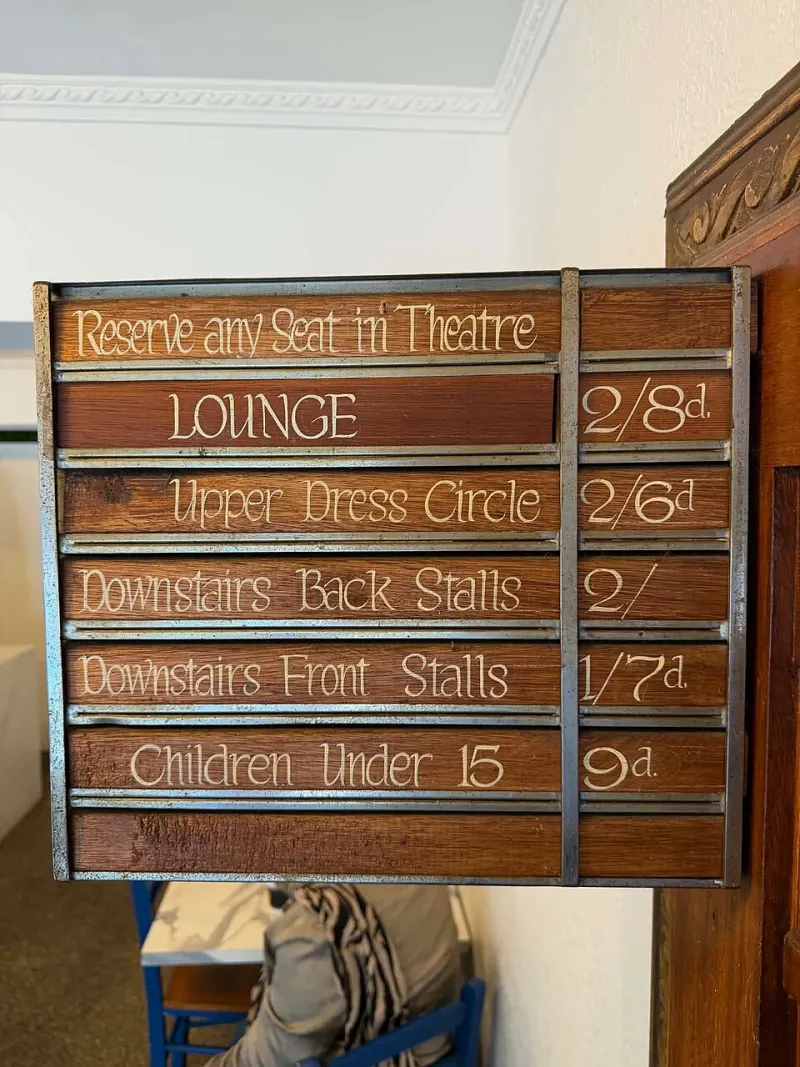
Photo: AlphaLemur, CC BY 4.0, via Wikimedia Commons
You have seen the sign. Probably on a website at 7am, probably while holding a coffee, definitely while muttering something unkind about dynamic pricing. SOLD OUT. And yet, two hours before curtain, a friend texts from the stalls: 'Got in. Row F. £22.'
This is not witchcraft. It is the spare seat shuffle — a quiet, semi-formal economy of returns, rush tickets, day seats and lotteries that runs alongside the official box office. It rewards patience, manners and a willingness to sit alone next to a pillar. Here is how it works in 2026, in London and well beyond it.
Why 'Sold Out' Is More of a Mood Than a Fact
A show being sold out does not mean every seat is nailed to a bottom. It means the venue has sold its available allocation for that performance, which is a different thing entirely.
Behind the curtain, a handful of seats are usually still moving through the building. There are production holds for the creative team, house seats for visiting guests, press seats that may be released closer to the date, and accessibility allocations that sometimes free up. Add in the ordinary, human business of returns — a babysitter cancels, a train strikes, someone double-books a wedding — and you have a trickle of tickets that never quite makes it onto the public seating plan.
The trick is knowing where that trickle appears, and being ready when it does. The box office is not being coy. It is simply that a returned ticket is only useful if someone is standing by to take it.
The Three Tracks: Returns, Rush and Lottery
Most spare seats arrive through one of three doors. They are not the same thing, and confusing them is how people end up disappointed at 7:25pm.
Returns are tickets that have come back from the public. Venues usually resell them through the same channels as the original booking — online, on the phone or over the counter. Some theatres let you return or exchange up to 24 or 48 hours before a performance for credit, which is why a polite call to the box office is never wasted. If you cannot make it, return it properly. Please do not flog it to a stranger for three times face value.
Rush tickets are discounted seats released on the day, often through venue apps or schemes such as TodayTix. They are usually limited, often restricted in view, and they vanish faster than a free programme. Regional theatres run their own versions — some release a small batch at 10am, others at noon, others via a mailing list that is worth actually opening.
Lotteries are digital draws, usually for a pair of tickets at a knocked-down price. You enter, you wait, you get an email either way. They are brilliant for people with flexible evenings and a high tolerance for admin. They are terrible for people who need certainty.
Then there are day seats — the old-fashioned cousin of rush — sold in person when the box office opens. Some venues still do this beautifully. Turn up early, join a small queue, be charming, and you may walk away with a cheap seat and a story.
Timing Is the Whole Trick
If you want a returned seat, think in windows rather than hours. Online returns tend to surface when people are at their desks — late morning and early afternoon — and again in the final 90 minutes before curtain, when the venue releases anything it cannot use.
The phone is often faster than the website. A human being can check a seating plan that has not yet refreshed online, and they can hold a single seat while you find your card. If you are nearby, the in-person box office is faster still. Ask nicely, be specific about your budget, and mention that you are happy to sit on your own. Single seats are the easiest thing in the world to sell and the hardest thing in the world to sell as a pair, which is why a lone theatregoer with a flexible evening is quietly golden.
One practical note: do not refresh a booking page like a slot machine while someone else is trying to buy. A little restraint goes a long way.
The Etiquette Bit Nobody Prints
The last-minute ticket economy runs on goodwill. Box office staff remember the people who ring every ten minutes and the people who say thank you. Be the second sort.
If you are offered a restricted-view seat, ask what the restriction actually is. 'Side view' can mean a perfectly good night out or a pillar where an actor's left ear should be. If you are buying a return, accept that you may not sit with your group. Splitting up is part of the dance. Do not haggle over the price of a returned ticket — it is not a car boot sale. And if a venue finds you a spare seat at short notice, take it graciously, sit where you are put, and do not spend the interval explaining to strangers how you got in.
A Regional Reality Check
London gets the headlines, but the spare seat shuffle is alive everywhere. Regional venues often have waiting lists, friends schemes and pay-what-you-decide nights that never appear on the main booking page. A quick phone call to a theatre in Leeds, Sheffield, Manchester, Bristol or Glasgow can be far more productive than refreshing a sold-out page. Smaller houses know their returns personally. Use that.
The Quiet Win
The real skill is not gaming the system. It is being ready, being flexible and being pleasant. Join the mailing list. Follow the venue on social media. Check the returns page at the right time. And if the sign says sold out, do not walk away — walk towards the box office and ask.
Somewhere in the building, a seat is about to become free. You just have to be the person standing by when it does.