Cheap Seats, Real Theatre: Your £15 Night Out Guide for 2026
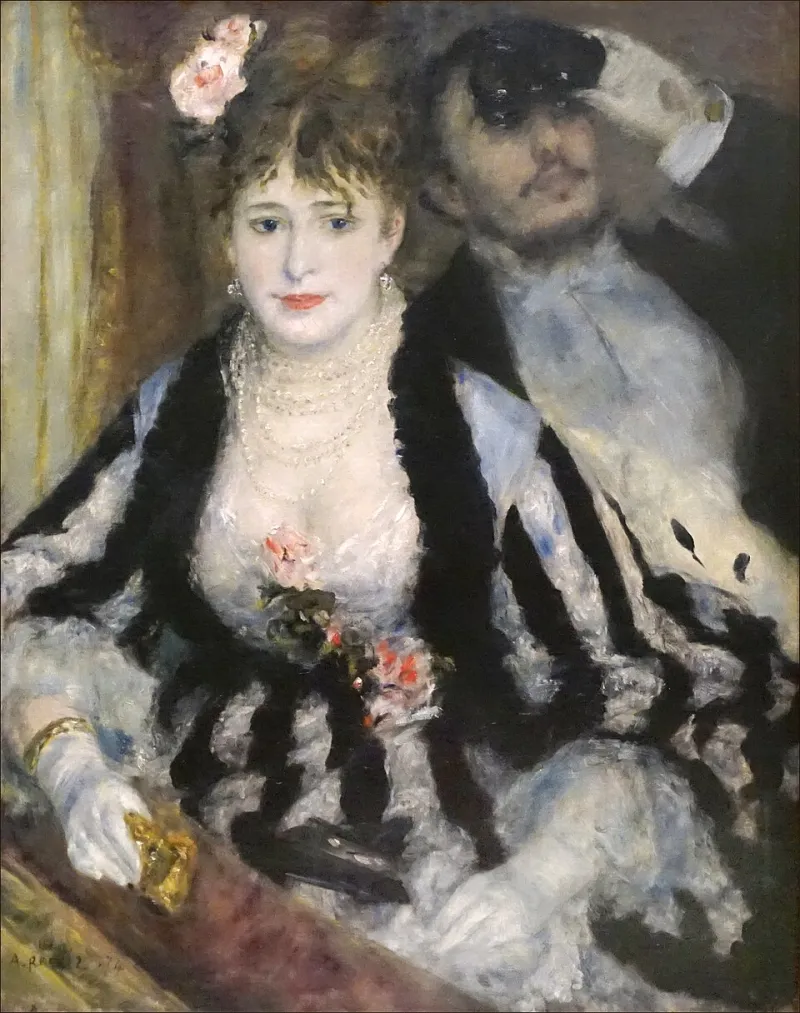
Photo: Jean-Pierre Dalbéra from Paris, France, CC BY 2.0, via Wikimedia Commons
A £15 night out at the theatre sounds like a myth. It is not, but it does take a bit of admin. The good news is that most UK venues still run some kind of cheap ticket scheme, and the best ones are not hidden behind a loyalty card or a secret handshake. The bad news is that dynamic pricing, booking fees and resale mark-ups can turn a bargain into a bad deal before you have even left the house.
This guide is about seeing good work for less, not just finding the cheapest seat in the building. Sometimes that means standing at the back. Sometimes it means going on a Monday. Sometimes it means joining a mailing list and being ready when the email lands. Here is how to do it in 2026.
Start with the venue, not the resale site
The first rule is simple: buy direct from the theatre wherever possible. Venue websites are the most reliable source of pay-what-you-can allocations, under-30 schemes, preview prices and day seats. Resale sites can be useful for sold-out shows, but they are also where the worst value lurks. If a ticket is £15 on a resale site for a show that sold out in minutes, assume it is either a scam or a seat with a restricted view and a story.
Sign up for venue newsletters. Follow your local theatres on social media. Check the box office page before you check a ticket aggregator. The cheapest tickets often go to people who are already in the loop.
London: the reliable cheap seats
London is expensive, but it is not a closed shop. The National Theatre remains one of the best bets, with Friday Rush and day seats that can bring major productions within reach. The Royal Court has a pay-what-you-can tradition on Mondays, and the Young Vic, Almeida and Donmar Warehouse all run previews, under-30 schemes or standing places at various points. The Donmar's standing tickets are a proper London theatre rite of passage: cheap, close to the action and not for the faint-legged.
Elsewhere, Arcola Theatre, Theatre Royal Stratford East and Soho Theatre are worth checking for pay-what-you-can nights and local access schemes. Shakespeare's Globe still offers cheap groundling tickets for those who do not mind standing in the yard. It is not comfortable, but it is theatre at its most alive.
Regional cities: where to look
Outside London, the picture is patchy but promising. Manchester's Royal Exchange often has under-30 and preview options, while The Lowry runs community and family ticket schemes across its programme. Birmingham Rep, Leeds Playhouse and Sheffield Theatres are all worth following for pay-what-you-can performances and local membership deals. In Glasgow, the Tron and the Citizens Theatre are good places to start. Bristol Old Vic and Liverpool Everyman have long histories of trying to keep theatre accessible.
Schemes change, so check before you book. A venue that offered £10 tickets last year may have moved the goalposts. The principle is the same: look for previews, midweek performances, under-30 or under-26 schemes, and any pay-what-you-can night. Those are usually the cheapest ways into a show.
Lotteries, day seats and standing
Lotteries are a gamble, but they are often a good one. TodayTix and individual venues run lotteries and rush tickets for popular shows. Day seats are released on the day of performance, usually in person or online, and they can be excellent value if you are flexible. Standing tickets are another option, especially at opera houses and older theatres. They are not for everyone, but they are cheap and they get you in the room.
The trick is to have a backup plan. If the lottery does not come through, check the venue's returns, day seats or standing availability. Do not refresh a resale site at 7.25pm and panic-buy a £90 ticket for a show you only half want to see.
Memberships: worth it or not?
Local venue memberships can be genuinely worth it if you go three or four times a year. They often come with priority booking, discounts and occasional free events. But they are not automatically a bargain. Do the maths before you sign up. If the membership costs £60 and saves you £5 a ticket, you need to see a lot of theatre to break even.
Under-30 and under-26 schemes are usually better value, because they tend to be free to join and offer real discounts. Access schemes for disabled patrons and companions are also worth checking, as they can make a significant difference to the total cost of a night out.
Trap watch: dynamic pricing and fees
Dynamic pricing is the enemy of the casual theatregoer. It means the price goes up as demand rises, which can make a popular show feel like an airline booking. The best defence is to book early, go midweek and avoid the opening and closing weeks if you can. Check the total price, including booking fees, before you commit. A £15 ticket with a £4.50 fee is still a £19.50 ticket.
Also be wary of premium seats that are not actually premium. A restricted view can be fine, but it should be priced accordingly. If a seat is described as side view or restricted, look up the venue's seating plan before you buy. A cheap ticket is only a bargain if you can actually see the show.
A realistic £15 night out
In London, a National Theatre Friday Rush ticket or a Donmar standing place can get you into a major production for around £10 to £15. At the Globe, a groundling ticket is one of the cheapest ways to see Shakespeare in the country. In Manchester, an under-30 ticket at the Royal Exchange or a preview at The Lowry can land in a similar range. In Leeds, Birmingham or Glasgow, pay-what-you-can nights and previews are your friends. The £15 refers to the ticket, not the whole night—travel and interval drinks are extra—but it is still a realistic target.
The best cheap ticket is the one you actually use. Sign up, ask the box office, go on a Monday, stand at the back, and do not let the fear of missing out push you into a bad deal. Theatre should be a regular habit, not a once-a-year splurge. In 2026, a £15 night out is still possible. You just have to know where to look.