First Stop, Manchester: Why Big Shows Are Opening Regionally in 2026
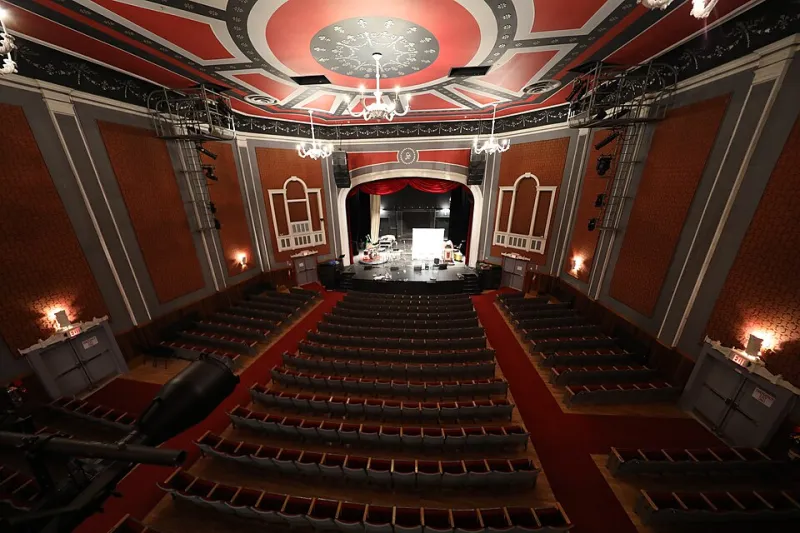
Photo: Ken Heaton, CC BY-SA 4.0, via Wikimedia Commons
For years, the accepted route for a big new musical or play was simple: open in London, hope the critics behave, then tour the regions. In 2026, that route is looking old-fashioned. Some of the most anticipated launches of the year are opening in Salford, Birmingham, Leeds and Glasgow first—and a few are choosing not to rush to the West End at all.
Walk into The Lowry on a wet November Tuesday and you can feel the shift. The bar is full, the merchandise queue is snaking past the cloakroom, and the audience is a proper mix of theatre regulars, curious first-timers and people who have made a night of it because the show is on their doorstep. This is not a warm-up act for London. For many producers, it is the main event.
The business case for going north first
Producers are not being sentimental. Regional venues offer large capacities, loyal subscription bases and audiences who are willing to take a punt on something new. A six-week run in Manchester or Birmingham can help a show find its feet, build word of mouth and recoup some of its costs before the glare of the West End. London remains expensive, crowded and unforgiving. A regional premiere gives a creative team room to breathe.
Several programmers I spoke to described the same pattern: shows are being co-produced with regional venues from the outset, rather than touring to them after a London run. That changes the money, the marketing and the creative conversations. Instead of treating the regions as a victory lap, producers are using them as a launchpad. Birmingham Hippodrome, Leeds Grand Theatre, Theatre Royal Glasgow and Mayflower Southampton are all part of this picture. The touring circuit is no longer a footnote. It is the first chapter.
Access is the headline
The most obvious benefit is ticket access. A family in Leeds should not have to price up a train to London, a hotel and a West End ticket to see a major new musical. Regional premieres put big work within reach of people who have been priced out of the capital—or who simply do not want the hassle. That matters for audiences, but it also matters for the health of the art form. Theatre needs people who can turn up on a whim, not just people who booked six months in advance.
There is a knock-on effect for local economies, too. A blockbuster run fills hotels, restaurants and bars, and it keeps crews, technicians, wardrobe staff and front-of-house teams in work. The benefits are not evenly spread, and a single hit show cannot fix a whole high street. But a strong autumn season can change the mood of a city centre. On a wet Tuesday in November, that is worth something.
A launchpad, not a lay-by
The interesting question is what happens after the regional run. In the old model, a show would transfer to London and the regional dates would follow later. In 2026, the order is more flexible. Some shows are touring first, then opening in the West End. Others are skipping London altogether and building a national tour around regional dates. The West End is still a shop window, but it is no longer the only door.
That shift is good for theatre-makers outside London, who get to work on major productions closer to home. It is also good for regional venues, which can build stronger relationships with producers and audiences. The risk is that regional audiences become a test market for London, rather than genuine partners. If producers treat the regions as a place to fix a show before the real opening, audiences will notice. The best regional premieres feel like events in their own right, not auditions for somewhere else.
The risks of a regional-first model
There are real pressures. Touring costs are rising, and regional venues are not immune to the same financial squeeze as London theatres. A big show can sell well and still leave a venue exposed if the deal is not fair. There is also a danger that dynamic pricing follows the blockbusters out of London, turning a regional premiere into another expensive night out. Access is not guaranteed just because a show opens outside the M25.
Then there is the question of local investment. If a major musical opens in Manchester or Glasgow, audiences will want to see local creatives, crews and casts involved. Genuine partnership means more than a press release and a few community workshops. It means fair deals, proper consultation and a long-term commitment to the places that are hosting the work.
What audiences are telling us
The audiences I spoke to were mostly positive, but not naive. They like the convenience and the lower prices. They like seeing a show before their friends in London. They also want to be taken seriously. A regional premiere should not feel like a slightly wonky preview. It should feel like the real thing.
In 2026, the regional blockbuster effect is not a charity project. It is a business decision, a cultural opportunity and a test of whether the UK theatre industry actually believes in the country beyond the West End. If it works, audiences everywhere get more choice, more access and more theatre. If it does not, we will have simply moved the queue, not shortened it.