The People in the Dark: Meet the Backstage Crew Who Keep UK Theatre Honest
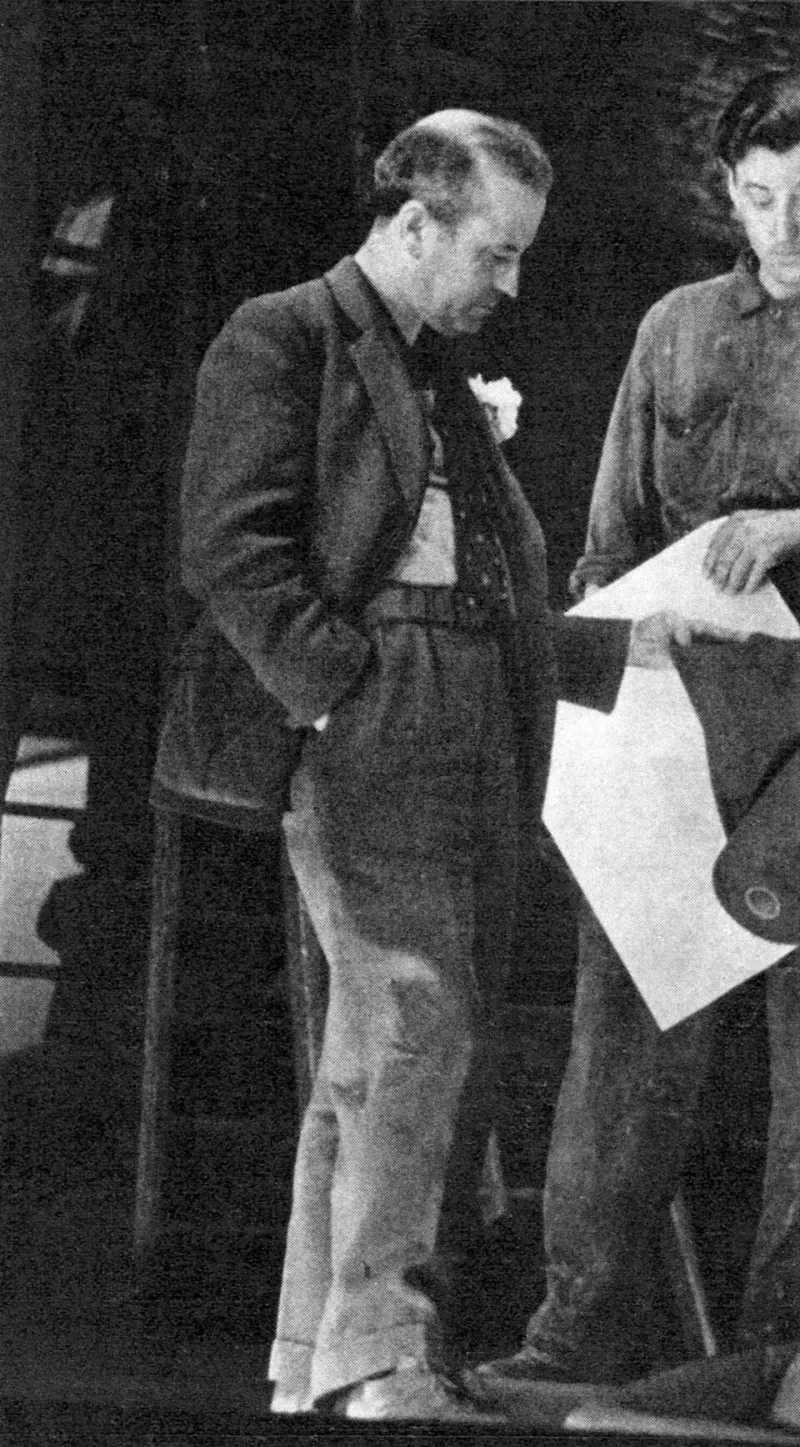
Photo: Stage Publishing Company, Inc.; no photographer credited, Public domain, via Wikimedia Commons
The show starts at 7.30. By 7.29 the audience sees a clean stage, a programme and a seat. What they do not see is the dresser checking a quick-change rail for the third time, the stage-door keeper logging a late courier, the fly operator testing a counterweight and the front-of-house usher rehearsing the evacuation route in their head. Theatre is a visible art made by an invisible workforce. In 2026, that workforce is under more pressure than ever.
A day in the life: the dresser
A dresser arrives before the actors and leaves after them. The job is part wardrobe maintenance, part therapist and part archivist. There are stains to treat, buttons to replace, zips to rescue and notes to write. During the show, the dresser waits in the wings with a towel, a bottle of water and a plan for the sixteen-second change that the audience will never notice. If it goes well, nobody mentions it. If it goes wrong, everybody does.
The stage-door keeper
The stage door is the border between the show and the street. The keeper signs people in, sorts parcels, answers the phone, handles guests, directs taxis and remembers which actor is not to be disturbed before a matinee. It is part concierge, part security and part memory. In a regional receiving house, the stage-door keeper may be the only person who knows every corridor, every alarm code and every visiting company's dietary disaster.
The fly operator and the technical crew
The fly floor is where theatre gets physical. A fly operator works with counterweights, ropes and cues, moving scenery in and out of the audience's sight. It is skilled, safety-critical work, and it is increasingly hard to recruit for. In 2026, UK theatres are reporting a shortage of experienced technical staff, particularly people who can operate traditional flying systems and train others to do the same. Automation is not a simple replacement. Someone still has to know what happens when a cue goes early and a piece of set is moving faster than it should.
Front of house: the department the audience actually meets
Ushers, box-office staff and duty managers are the public face of the building, but their work is deeply technical. They manage access requirements, latecomers, first aid, lost property and the delicate art of telling a grown adult that they cannot take a glass into the auditorium. When a fire alarm sounds, they are the ones who know which doors open and which stairs are safe. When a show sells out, they are the ones who find a seat for the person who booked the wrong night.
Why 2026 is a skills crunch
The pandemic pushed many freelance theatre workers out of the industry. Brexit made some European touring and training routes harder. The cost of living has made low-paid backstage work less viable in expensive cities. The result is a skills gap that is not just about numbers. It is about experience. A fly operator is not trained in a week. A dresser learns quick-change choreography over seasons. A stage-door keeper builds a mental map of a building over years.
The good news is that the industry knows this. Apprenticeships, shadowing schemes and backstage careers events are trying to widen the pipeline. But training takes time, and theatres are already running lean. The people in the dark are often doing two jobs before they do their own.
How to appreciate invisible work
You do not need to know the difference between a hemp house and a counterweight system to be a good audience. You just need to notice the labour. Arrive on time so the front-of-house team is not managing a latecomer chain during the opening speech. Do not touch the set, the props or the costume rail. If an usher asks you to move, move. If you loved the show, tell the box office. If you have a complaint, make it specific and civil. And if you are thinking about a career change, ask about backstage tours, work experience and crew shortages. The people in the dark are not there to be invisible. They are there to make the visible thing happen.