The Afternoon Shift: Why the Matinee Is British Theatre's Quiet Engine
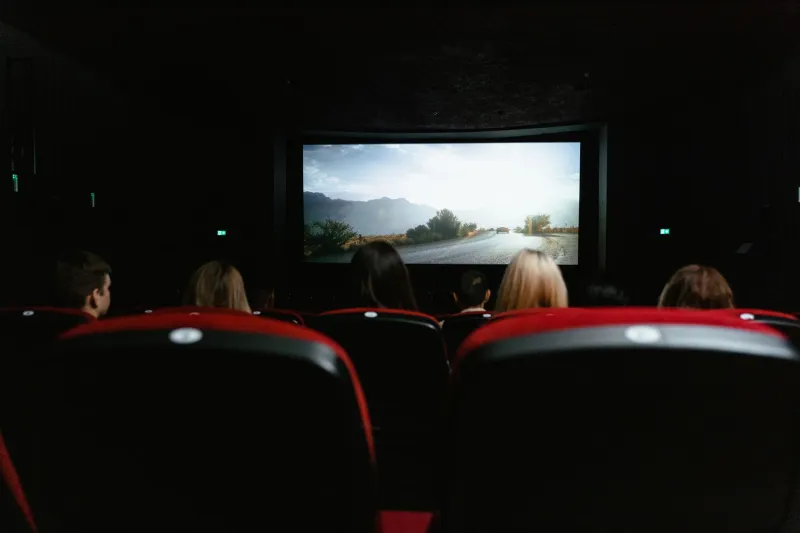
A 2.30pm curtain arrives with its own atmosphere. Walk into a UK theatre on a Wednesday afternoon and the room feels different from the evening: fewer pre-show pints, more cough sweets; less cologne, more grandchildren. The auditorium is often a little brighter, because the house lights stay slightly higher. The bar queue is shorter. The rustle of a programme is louder. None of this is a criticism. It is a different kind of theatregoing, and it deserves more respect than it sometimes gets.
The daylight crowd
Matinee audiences are not a monolith, but they do have a recognisable shape. There are grandparents introducing grandchildren to pantomime or to a touring musical. There are school groups with lanyards and whispered countdowns. There are shift workers who can make an afternoon but not a late-night train home. There are disabled audience members for whom a quieter, daylight performance is simply easier. There are tourists who have booked a week in London or Manchester and want to fit in two shows in one day. And there are regulars who have been coming to the same regional touring house for decades and prefer the afternoon because they know the buses.
The old caricature is that the matinee audience is sleepy, easily shocked or somehow less serious. That caricature is lazy. In practice, afternoon crowds can be among the most responsive in the building. A school group will gasp at a lighting cue. A grandmother will laugh at a line the evening audience politely smiles at. The atmosphere is less self-conscious. People are not performing their own night out; they are watching the show.
Two shows, one day
For the company, the matinee is not simply the same show earlier. A two-show day is a marathon with an interval in the middle. Actors talk about conserving voice, pacing energy and eating properly between performances. The second show can be sharper because the company is warm, or looser because everyone is tired. Crews have their own rhythm: the changeover between performances, the quick notes session, the reset of props and costumes, the quiet check that the second audience will get the same care as the first.
There is something admirable about that afternoon discipline. The 1.45pm half-hour call is not glamorous. The dressing rooms smell of coffee and throat sweets. Someone is always doing a vocal warm-up in a corridor. By the time the 2.30pm curtain goes up, the building has already done a full day's work. The audience may not see it, but they feel it in the precision.
Why the afternoon pays the bills
Matinees also keep touring alive. A week's run in a regional house often needs more than six evening performances to balance the books. The Wednesday matinee and the Saturday two-show day are part of the economics of putting a company on the road. School bookings, coach parties and accessible afternoon slots are not add-ons; they are part of how a production travels beyond London.
This matters for audiences outside the big cities. A matinee can be the difference between a theatre trip and no theatre trip at all. It can make a show possible for someone who cannot travel home after 10.30pm, or for a family who cannot afford both tickets and a late babysitter. Access is often discussed as a moral good. It is also a practical one. The afternoon audience is part of the business model.
A short history of the afternoon curtain
Matinees became standard in the late nineteenth and early twentieth centuries, tied to changing working patterns, half-day closing and the growth of Saturday leisure. The 2.30pm start was a compromise: late enough for lunch, early enough for the last train home. Over time, the matinee became a fixture of regional touring circuits, rep theatres and West End schedules alike.
The form has changed. Some theatres now run earlier afternoon performances for families. Others programme relaxed matinees, dementia-friendly performances or captioned shows in daylight hours. The old idea of the matinee as a lesser copy of the evening has been quietly replaced by something more interesting: the afternoon as a testing ground for how theatre can welcome people who are not served by a 7.30pm start.
The future is already in the afternoon
If UK theatre wants to broaden its audience, the matinee is one of its most useful laboratories. It is where access experiments often happen first, and where touring houses can build relationships with schools and community groups. Not every experiment works, and not every afternoon crowd is easy. But the matinee keeps the building open to people who might otherwise be excluded by time, travel or energy.
So next time you see a 2.30pm curtain on a listing, do not treat it as the warm-up act. It is the real thing with daylight on it: a different weather system, a different crowd, and a quiet engine that keeps British theatre moving. At Lion & Unicorn Theatre, that is a shift worth celebrating.