Ghost Lights, Forbidden Whistles and the Macbeth Rule: A Backstage Lore Field Guide
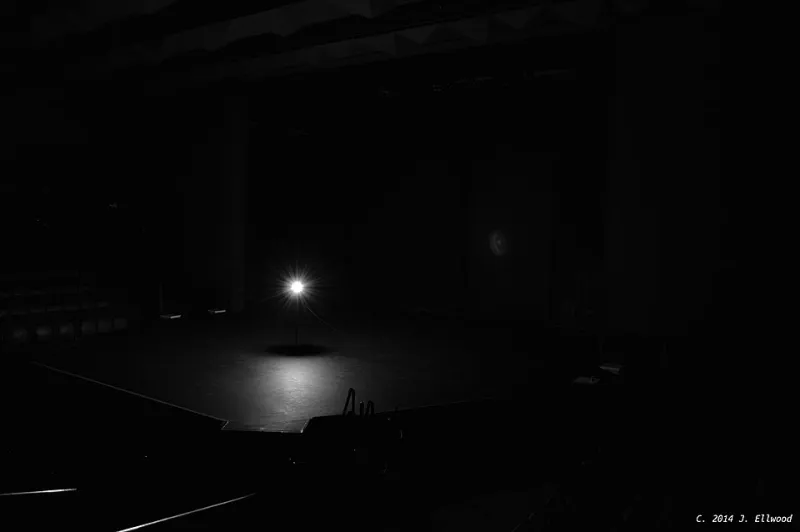
Photo: Ellwood jon, CC BY-SA 3.0, via Wikimedia Commons
Theatre people are a practical bunch. They work with sharp tools, heavy cloths, fire regulations and tight schedules. They also refuse to say the name of one Shakespeare play, keep a lamp burning in an empty auditorium and treat a whistle in the wings like a fire alarm. Welcome to the backstage rulebook: part health-and-safety manual, part ghost story, part company glue.
In 2026, British theatre has more digital tech, more intimacy coordinators and more paperwork than ever. Yet the old rituals survive. Ask a stage manager why and you will get a shrug, a grin and often the same answer: it is tradition, it is respect, and sometimes it is just common sense dressed up in a cloak.
The Ghost Light: Safety Lamp, Company Talisman
The ghost light is the easiest one to defend. A single bulb or lamp left burning on stage when the theatre is empty keeps the space safe for anyone who walks through it in the dark. It also gives the building a heartbeat. In regional houses and West End theatres alike, the ghost light has become a talisman. Companies touch it for luck. Some say it keeps the ghosts happy. Stage managers say it keeps the cleaners and security staff from tripping over a set piece at midnight. Both can be true.
The Macbeth Taboo
Here is the big one. Say the name of Shakespeare's Scottish play in a dressing room and you may be told to leave, spin around three times, spit, swear or quote a line from another play. The origins are murky. Some trace the superstition to the play's history of accidents, fights and prop disasters. Others point to the idea that the play's incantations were once considered genuinely dangerous. In 2026, few actors believe a witch will appear. But the taboo survives because it gives a company a shared language. Breaking it is a small, harmless way of saying: I know the rules here.
Why Whistling Is Still Frowned Upon
Whistling backstage feels like a superstition until you remember how old theatres were run. Before headsets and cue lights, flymen and scene-shifters used whistles to signal cues. An actor whistling in the wings could accidentally call a set change or drop a cloth on someone's head. The habit stuck. Today, a whistle is more likely to annoy a stage manager than summon a flying flat, but the rule remains. It is folklore with a paper trail.
Peacock Feathers and Other Small Omens
Peacock feathers are considered bad luck in many British theatres. The eye-shaped pattern has been linked to the evil eye, and some say the feathers bring disaster to a production. Others simply say they are dusty, shed easily and have no place in a quick-change costume. Whatever the reason, dressers will often remove them from a costume rail without being asked. The same goes for real flowers on stage before opening night, broken mirrors and the phrase ‘good luck’ itself. Say ‘break a leg’ instead. It is nonsense, but it is our nonsense.
Lucky Routines That Actually Work
Not every backstage ritual is about avoiding disaster. Plenty are about creating calm. An actor may tap the stage door three times. A dresser may arrange the wig blocks in a certain order. A company may gather in a circle before the half-hour call. These routines do not change the outcome of a show, but they slow the heart rate and remind everyone that they are part of a team. In a business where a reviewer can change the mood of a building overnight, a small piece of certainty is worth having.
Folklore With a Practical Core
The best superstitions are the ones that double as safety advice. Do not whistle because it once meant a cue. Leave a ghost light because dark stages are dangerous. Do not put open flames or real flowers where they can be knocked over. Do not say the Macbeth name because a company needs a scapegoat when the fog machine breaks. The stories give the rules a memorable shape.
Why the Stories Still Stick in 2026
UK theatre in 2026 is not short of change. Touring routes are being redrawn, ticket prices are under scrutiny and backstage teams are doing more with less. The old lore survives because it costs nothing and it does something useful: it makes a group of freelancers, many of whom have never worked together before, feel like a company. It creates a shared code. It gives the person on the smallest contract the same rights as the star: you can tell anyone in the building to stop whistling.
So next time you see a lone lamp burning in an empty auditorium, do not just take a photo for social media. Respect the practical bit. Then enjoy the story. At the Lion & Unicorn, we are all for a bit of theatre magic — especially when it comes with a fire extinguisher nearby.