The House Lights Stay Soft: How Relaxed Theatre Nights Are Reshaping a UK Night Out

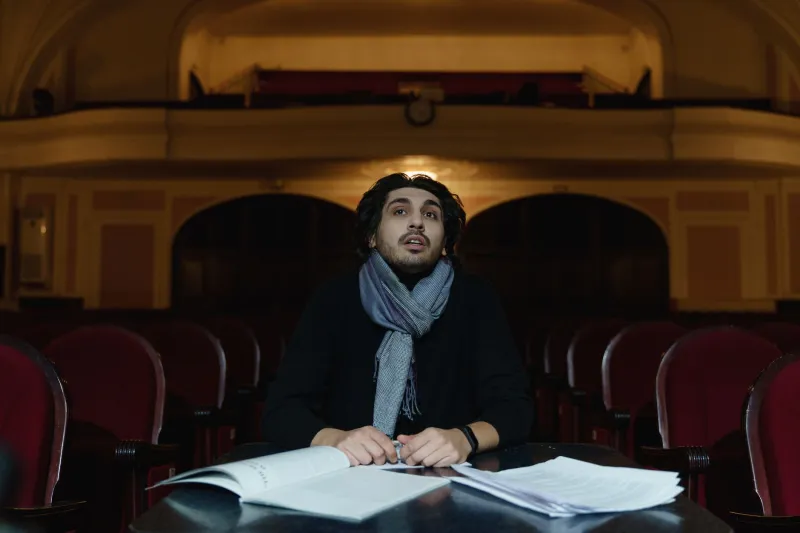
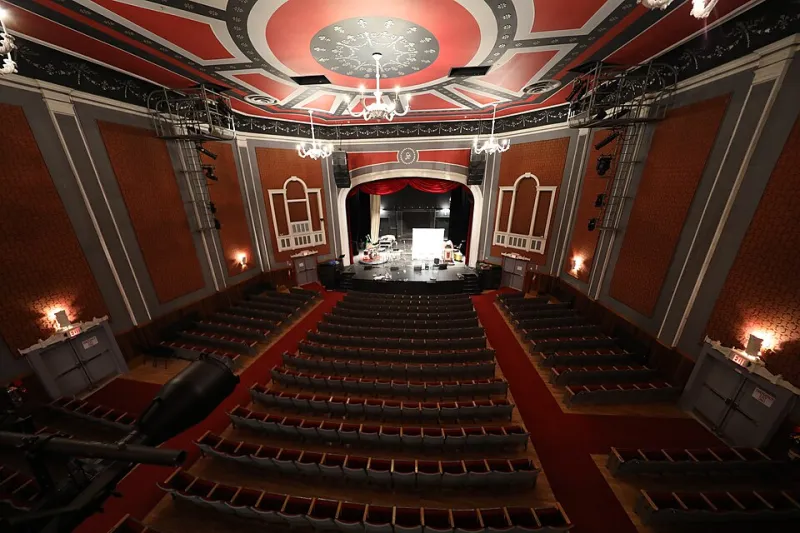
Photo: relaxed theatre performance audience house lights up UK auditorium, via www.shinetrim.com
There is a version of a theatre night that many of us carry around in our heads: hushed auditorium, rustling programme, a sharp look if you unwrap a sweetie. It is a useful shorthand, but it is not the whole picture. In 2026, more UK theatres are offering relaxed, captioned, BSL-integrated and sensory-friendly performances, and they are quietly rewriting what a good night out can feel like. Not by lowering the bar, but by widening the doorway.
What a relaxed performance actually means
A relaxed performance is not a free-for-all, and it is not a lesser show. It is the same production with the environment adjusted. House lights often stay partly up, so you can see your programme and find your way. Sudden loud noises and strobe effects may be softened or removed. Doors may be kept open, and audience members are welcome to move, make noise, leave and come back. Many venues provide a chill-out space, a visual story before the visit, and a familiarisation session or touch tour.
The point is not to ask anyone to behave. The point is to remove the small, unspoken tests that make a standard performance difficult for some people. If you have ever spent a show worrying about coughing, sitting still, or finding the exit in the dark, you already understand the appeal.
More than one kind of accessible night
Relaxed performances sit alongside a growing range of access-led programming. Captioned performances put the dialogue on screens for Deaf and hard-of-hearing audiences. BSL-integrated performances go further than a interpreter at the side of the stage: the signer may be part of the staging, working with the director and cast in rehearsals. Audio-described performances support blind and visually impaired audiences, often with a touch tour before the show. Sensory-friendly performances may reduce overwhelming light and sound, while dementia-friendly performances can offer adapted front-of-house support and a more flexible pace.
These labels are not interchangeable. A venue that offers a relaxed performance is not automatically offering a captioned one, and a BSL-integrated show may not have softened sound cues. The practical rule is simple: ask the box office what is actually happening on the date you are booking. Good venues will be glad you did.
What changes before you arrive
The work often starts long before curtain-up. Front-of-house teams brief staff on what to expect, where the quiet space is, and how to help without hovering. Signage becomes clearer. Queues may be managed differently. Ear defenders, fidget toys or sensory bags may be available on loan. Some theatres publish a visual story showing the foyer, the auditorium, the toilets and the route to your seat, so the building feels less unknown before you step inside.
At Lion & Unicorn Theatre, we know that the smallest front-of-house detail can change a whole evening. A clear sign, a staff member who knows where the accessible loo is, or a quiet corner away from the bar can matter as much as what happens on stage. Access is not a bolt-on. It is part of the welcome.
How the show itself bends without breaking
Directors and production teams are getting more practised at adapting a show without sanding off its edge. Lighting cues can be softened. Fight calls can be staged with less impact. A pre-show welcome might explain what is coming. Sometimes the cast will acknowledge the audience differently, or the interval will be handled with more flexibility. What rarely changes is the story. A relaxed performance of a tense play can still be tense. It just gives everyone in the room a fairer chance to be there.
Not every production suits every adaptation, and it is fair to say that some shows are harder to relax than others. A musical with heavy haze and gunshots needs careful work. A small studio show may need almost nothing. The interesting shift is that venues are now asking the question earlier, in planning rather than in the final week.
Does this change mainstream theatre?
The quiet effect is already visible. Audiences who attend relaxed performances often say they feel more able to concentrate, not less. Front-of-house staff report fewer problems when expectations are explained clearly. Families who might have avoided theatre altogether are booking again. And the wider industry is slowly learning that access is not a specialist sideline; it is part of how a show meets its public.
There is a caveat. Access can be used as a badge without real substance. A relaxed performance that has not been thought through, or a captioned night with poor sightlines, helps nobody. The good versions are planned, funded and staffed properly. They are advertised clearly and reviewed honestly. They treat access as a design choice, not a favour.
The regional picture
London has the volume, especially across West End houses and larger subsidised venues, but regional theatres are often just as nimble. Birmingham, Manchester, Leeds, Glasgow, Cardiff and plenty of smaller towns now run relaxed and sensory-friendly dates, sometimes tied to touring productions. Pub theatres and fringe venues can be more flexible still, even if their budgets are tighter. If you are outside London, it is always worth checking the venue website and then ringing the box office. The answer may be better than you expect.
How to book with confidence
Ask specific questions. Are the house lights up? Is the sound reduced? Can I leave and come back? Is there a chill-out space? Is the performance captioned, BSL-integrated or audio-described? Is there a visual story? Arrive early if you want to settle in. Tell staff what would help. And if you are attending as a relaxed-performance newcomer, do not worry about getting it wrong. The whole point is that there is less to get wrong.
A theatre night can be soft-lit, movable and still electric. In fact, for plenty of people, it is more electric when they are not spending the whole show braced for a shush. The house lights staying soft is not a retreat from theatre. It is theatre making room.