Waiting in the Wings: The Secret Rehearsals That Keep UK Theatre Alive
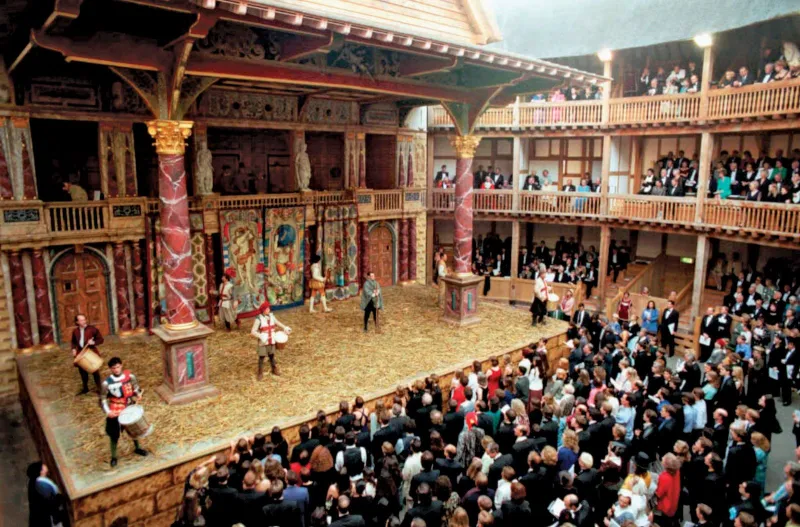
Photo: theatre understudy rehearsal backstage script stage manager UK, via cdn.britannica.com
At 4.45pm on a Thursday in a West End house, the deputy stage manager's voice crackles over the backstage tannoy. The principal is off. The cover is on. Within twenty minutes, a swing is checking three ensemble tracks, an understudy is walking a fight call with the fight captain, and the company manager is printing a revised running order. Nobody panics. This is the second cast at work.
In 2026, the understudy system is not a dusty backup plan. It is a parallel company running alongside the one on the posters. It is also one of the most practical, least glamorous and quietly thrilling parts of British theatre.
The Call That Changes Everything
Every production has its own version of the call. In long-running West End shows, it might come days ahead when an alternate is scheduled. In regional rep, it can arrive at lunchtime. In panto season, it can land while someone is halfway through a sandwich and a quick change. The point is the same: the show is not cancelled. It is recast, rehearsed and re-energised in hours.
Covers do not simply learn lines. They learn traffic. They know which wing to enter from, which prop is preset on which table, which quick change happens under which staircase. A swing in a musical might cover five ensemble tracks and never play the same combination twice in a month. An understudy might watch the same scene for weeks, then step into it with a different scene partner and a different audience.
The job is part memory, part nerve and part stamina. Covers sit in on rehearsals, take notes, mark blocking and learn choreography alongside the main cast. They do vocal warm-ups for roles they may not perform for months. They stay match-fit for a race they may never be told they are running.
Learning Three Roles Before Lunch
Regional theatre is where the second-cast ethos is most visible. In rep companies and mid-scale touring houses, smaller casts often mean everyone learns two or three roles. An actor might play the doctor on Monday, cover the lawyer on Tuesday and stand by for the detective on Wednesday. In a new-writing venue, the same person might be off-book for a lead and still helping to move the set.
That practicality is not a compromise. It is a training ground. Actors who cover regularly learn how to make fast choices, how to hold a scene when a prop fails, and how to keep a performance alive when they have had one put-in rehearsal and a lot of goodwill. Directors value them because they are the company's insurance policy. Audiences value them because they are often brilliant.
There is a particular kind of electricity around an understudy run. These performances, staged so covers can perform in front of a full house, are sometimes open to the public at reduced prices. They are not dress rehearsals. They are proper shows, with proper stakes, and they often reveal a performer who has been waiting in the wings with a completely different take on a role.
What Audiences Actually Get
When a cover steps on, ticket-holders sometimes feel a flicker of disappointment. They came for the name on the poster. But the best theatres treat a cover as part of the offer, not an apology. The set is the same. The band is the same. The story is the same. What changes is the chemistry, the timing and the chance to see a role rebuilt in real time.
That is not a lesser experience. It is a different one. A standby might play a comic scene straighter, or a dramatic scene warmer. A swing might bring a fresh energy to an ensemble number because they have watched it from the wings for months. Regular theatregoers know this. Some deliberately book understudy shows. Others stumble into them and come out saying they saw something special.
The practical benefit is simple: the show goes on. In 2026, with productions facing illness, holiday cover and the usual chaos of live performance, that reliability is worth celebrating. A strong second cast is not a sign of weakness. It is a sign that a producer has done the work.
The Regional Rep Effect
Regional theatres have been doing this for generations. Rep companies built their reputation on actors who could move between roles, cover for each other and keep a season running. That spirit survives in places like Birmingham, Leeds, Sheffield, Manchester and Nottingham, where companies still rehearse understudies and swings into the fabric of a show.
It also survives in pub theatres and fringe venues, where the person selling tickets might also be the cover for the lead. The scale is different, but the principle is the same: theatre is a collective act. Nobody is too important to learn the lines.
Why Second Casts Deserve Top Billing
Covers deserve more than a line in the programme. They deserve proper rehearsal time, fair pay and visible credit. Some theatres now list understudies and swings on the website, not just in the small print. That should be standard. The audience should know who is ready to step in, and the company should be proud of them.
So next time you see a cast board with a last-minute slip pinned to it, do not read it as bad luck. Read it as the second cast doing its job. Somewhere backstage, someone has been waiting for that call for weeks. They have learned the lines, walked the blocking and checked the props. Now they are on. That is not a backup plan. That is theatre at full strength.