At the Barrier: The Gentle Art of Waiting for a UK Theatre Star
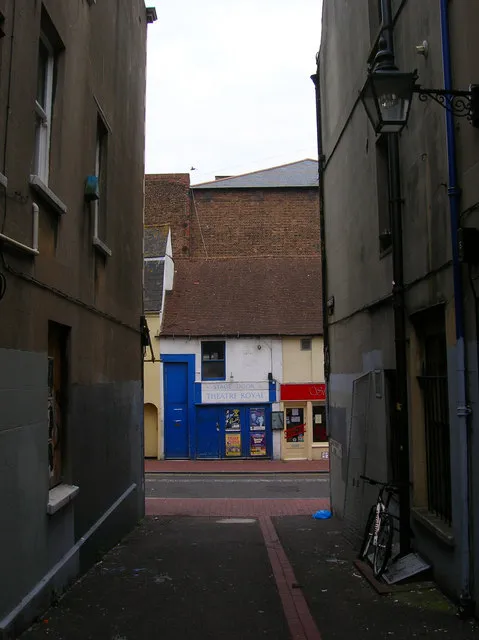
Photo: Simon Carey, CC BY-SA 2.0, via Wikimedia Commons
The stage door is one of the last bits of theatre that still feels pleasantly unmanaged. You finish the show, drift round the side of the building, and wait with a handful of other fans for a glimpse of the cast. It can be charming. It can also be a bit much. The difference is usually not passion; it is etiquette.
This is not a rulebook with a security guard at the end of it. It is a friendly field guide for 2026, when stage-door crowds can swell quickly and social media can turn a quiet post-show moment into a small event. The aim is simple: let fans have their moment without making a performer's long day longer than it needs to be.
First, find the right door
Do not guess. Ask front of house where the stage door is, or look for the signed entrance. In larger venues it is often a plain door round the side, marked with a small sign and sometimes a barrier. In smaller regional theatres it might be less formal, but it still exists. Do not block fire exits, loading bays, bins or neighbouring doorways. If security asks you to move, move. They are not being difficult; they are doing the job that keeps the building running.
When to wait, and when to call it
A good rule is to wait only if the venue allows it and the crowd is manageable. After an evening show, cast members often need twenty or thirty minutes to decompress, change and sort themselves out. Two-show days are different. If there has been a matinee and an evening performance, the stage door may be rushed or skipped altogether. Bad weather, a big crowd or a cast member with a train to catch can also change the picture.
If security says the cast are not coming out, believe them. If a performer walks past with headphones on, a hood up and a quick stride, read that as a message. Waiting is not a contract. The show was the contract.
What to bring, and what to leave at home
Bring your programme, a pen and maybe a card or a short letter. Those are the easy wins. Small, thoughtful gifts are lovely if they are practical and easy to carry, but avoid food, alcohol, bulky presents or anything that creates a job for someone else. Do not bring gifts that need to be stored, chilled or explained. If you are unsure, a note is better than an object.
Leave the camera shoved in someone's face. Ask before taking photos or filming, and accept a no without turning it into a debate. Do not ask for signatures on skin, tickets you plan to sell, or anything that makes the interaction feel like a transaction. A programme signed with a smile is a great souvenir. A performer cornered by a phone is not.
Read the room, then read the cast
Stage-door crowds have a mood. If people are calm and spaced out, join in. If it is a scrum, hang back. Let the cast come to the barrier rather than reaching over it. Do not shout across the pavement. Do not follow anyone who has started walking away. A specific compliment lands better than a generic one: tell them what you noticed, not just that they were amazing.
Cast fatigue has tells. A performer may be polite but brief. They may talk to a colleague instead of the crowd. They may sign a couple of programmes and then say goodnight. That is not a slight. It is a person managing their energy after a demanding show. Ask once, thank them, and let them go.
The regional difference
London's West End has the biggest stage-door culture, with barriers, security and regulars who know the rhythms. Regional theatres often feel more low-key. A touring company may be tired and travelling the next morning. A pub theatre may have no formal stage door at all, with actors drifting into the bar after the show. That can be lovely, but it is not an invitation to corner someone mid-drink. Ask if they are happy to chat, and take the answer as final.
The same goes for smaller venues. Just because there is no barrier does not mean there are no boundaries. In fact, the more informal the setting, the more important it is to be gentle about it.
Security, consent and common sense
Follow venue instructions. Do not wait in car parks, hotels or back alleys. Do not touch anyone without consent. Keep children supervised and close. If someone says no to a photo, thank them and step back. If a crowd is blocking the pavement, make space for people trying to get past. If you are with a group, nominate one person to ask rather than five people asking at once.
Front-of-house staff are a good source of local knowledge. Ask them where to stand, whether the cast are likely to come out and when the venue would rather you did not wait. They will usually tell you straight.
A quick stage-door checklist
Ask front of house where to go. Wait calmly and leave space. Bring a programme and pen. Keep gifts small and useful. Read the cast's body language. Accept no the first time. Do not film without permission. Do not follow anyone. Say thank you and mean it. Then go home and let everyone get on with their evening.
Why it matters
A good stage door is a small, shared ritual. It lets audiences say thank you and lets performers see that the work landed. It stays open because enough people treat it well. The fans who understand that are the ones who make it a nice place to be, not a chore at the end of a shift.
So wait if the moment is right. Bring your programme. Say something true. And if the cast are tired, let the soft house lights of the foyer be the last thing you see. There is always another show.