Lorry to Curtain: The Dawn Shift That Builds a Touring Show
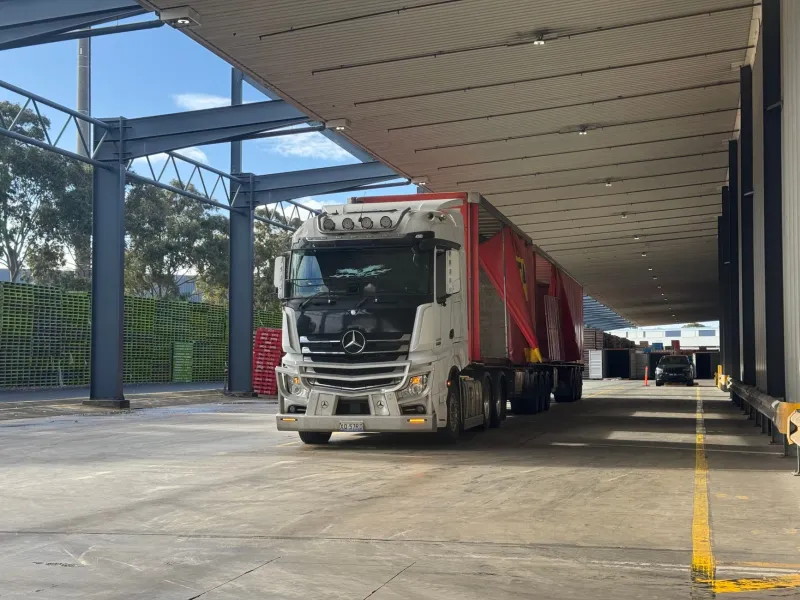
At 5.47am, the rain is doing that thing it does in the Midlands in November: not quite falling, not quite hanging, just making everything damp. The loading bay of a mid-sized regional theatre is empty except for a night porter, a puddle with ambitions, and a clipboard that has seen things. Then the lorry arrives.
It is a 16-metre artic, and it does not so much park as settle. The driver has been on the road since before the seagulls. Inside is a touring set: cloths rolled like carpets, flight cases stencilled with a show title, and a couple of pieces of scenery that look suspiciously like they might be the entire second act. Tonight, in 2026, this is what regional touring looks like — not a West End roadshow dropping in, but a working production that has to be rebuilt from scratch in a day.
05:47 — The lorry before the kettle
The first local crew arrive before the venue's kettle has reached a boil. They are a mix of freelance stagehands and venue technicians, the kind of people who know the loading bay's slope, the sticky door on the scene dock, and the exact angle at which a flight case will try to take your kneecap. The tour's production manager hands out the plan: unload, sort, position, build. It is a get-in, not a get-together.
What strikes you first is how ordinary it all looks. No sirens, no theatrical thunder. Just a tail-lift whirring, a forklift beeping, and a bloke in a hoodie saying, very calmly, that the tall case needs to go up the ramp first. The glamour comes later. This is the bit that makes the glamour possible.
06:10 — The first lift is a negotiation
A get-in is a relay race with clipboards. The lorry is loaded in a specific order, and that order has to be reversed without anyone losing their temper or their fingers. Cases are checked off. Bars and braces are stacked. The tour crew — a tight unit who have done this in perhaps forty venues this year — work alongside the local crew, who have done this in perhaps four hundred. Neither group is more important. One knows the show; the other knows the building.
There is a lovely, unshowy choreography to it. Someone lifts, someone steers, someone says wait, someone says go. A roll of cable is walked across the stage like a reluctant snake. The stage floor is marked with tape that looks random until you realise it is the show's entire geography. By 6.10am, the lorry is half empty and the stage is half full. The day has a shape.
07:30 — The building wakes up around them
By half seven, the theatre is no longer just a loading bay with a roof. Front-of-house staff arrive with bags and umbrellas. The box office computer hums into life. A cleaner works a mop around the edges of the foyer while a poster goes up for a show that will not open for another three weeks. Somewhere upstairs, a radiator clanks like a supporting actor who has been waiting for their cue.
The crew barely notice. They are in the middle of the bit that looks like chaos and is actually a schedule. But the building waking up around them is part of the story. A regional theatre on a get-in day is not a temple of art or a monument to anything. It is a workplace with a café, a stage door, and a slightly haunted photocopier. The touring set has to fit into that ordinary life, not the other way around.
09:00 — Where the tour meets the town
Every venue has a quirk, and every local crew knows it. Here, the scene dock door has to be propped at a particular angle or it swings shut on the last case. There, the lift is slow enough to warrant a tea break on the way up. The tour crew bring the show; the local crew bring the knowledge of which socket is temperamental and which staircase is best avoided with a wardrobe trunk.
That knowledge is unsung, and it is not sentimental. It is practical. In 2026, as more mid-scale tours play regional dates, the receiving house is not a passive host. It is a collaborator in a one-day construction project. The audience will never see the local crew, but the show will only happen because they turned up at dawn and knew where to put the heavy thing.
11:30 — The set takes its shape
By late morning, the stage looks less like a warehouse and more like a promise. Truss is flown. Cloths are tied off. The set has begun to cast shadows in the right places. A lighting technician stands at the back of the stalls with a laptop and a look of mild suspicion. Someone tests a revolve or a winch or whatever mechanical trick the production has brought with it this time, and everyone nearby goes quiet for a second.
This is the part where the tour and the venue have to trust each other. A regional stage may not have the same grid as the last one, or the same wing space, or the same distance from the dock to the centre line. The set adapts. The crew adapts. The show is not compromised so much as translated.
14:00 — Lunch, then the bit nobody sees
The local crew often disappear before the audience arrives. They do the heavy lifting, the unloading, the building, and then they clock off while the tour crew move into focus, soundcheck, and the long, quiet business of safety checks. There is a lunch break that smells of chips and instant coffee. There are jokes about the drive to the next date. There is a brief, collective silence when someone checks the schedule and realises the get-out is only nine hours away.
By mid-afternoon, the stage has that strange, charged stillness of a place that is nearly ready. The house lights are up. The seats are empty. The set looks slightly too big for the room, which is exactly how it should look.
16:30 — The final walk-round
Before the audience is let in, there is a final walk-round. It is not glamorous. It involves checking that nothing is going to fall, trip, catch, or fly without warning. A stage manager walks the set with a torch and a practised eye. A technician checks a cue. Someone sticks a bit of glow tape on a step that has already been walked over twenty times. The tour has been in the building for nearly eleven hours, and the show has not yet been performed.
At 18.45, the front doors open. At 19.30, the audience takes their seats and looks at a set that seems to have been there forever. They will not see the lorry. They will not see the local crew, the rain on the loading bay, or the clipboard that has seen things. They will see the show, which is the point. But backstage, the dawn shift is still part of the performance — just one that happens before anyone claps.